
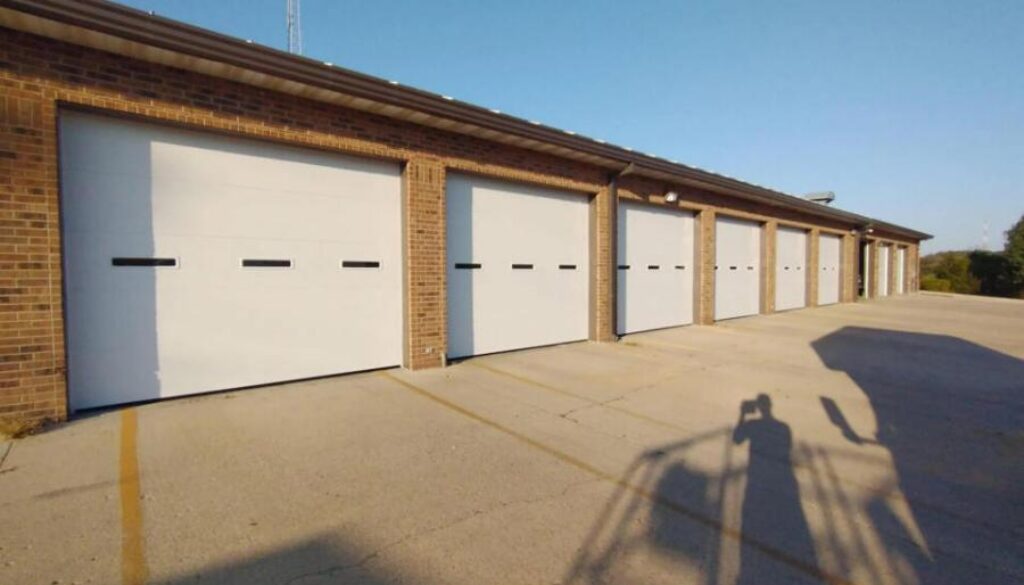
Common Garage Door Problems in Missouri Weather
How changing Missouri weather can affect garage doors, openers, and hardware over time.
Local Garage Door Advice • Practical Information for Missouri Property Owners
Missouri Weather Can Be Hard on Garage Doors
Garage doors in Missouri deal with changing temperatures, humidity, storms, wind, and seasonal wear. Over time, those conditions can affect how the door operates and how quickly parts wear out.
Humidity and Moisture
Moisture can contribute to rust on hardware, swelling or wear in surrounding materials, and general strain on aging systems. Even when the door itself is durable, the moving parts still need attention.
🌦️ Missouri Weather Is Tough on Garage Doors
Garage doors in Missouri go through a lot.
Between:
- hot, humid summers
- cold winters
- sudden temperature swings
- storms and high winds
Your garage door system is constantly expanding, contracting, and under stress.
Over time, this leads to wear, damage, and performance issues.
🧊 1. Temperature Swings Affect Door Movement
Missouri weather can change quickly — sometimes within the same week.
This can cause:
- metal components to expand and contract
- door alignment to shift
- increased strain on springs and tracks
Result:
- jerky movement
- noisy operation
- doors that don’t open smoothly
💧 2. Humidity Causes Rust and Wear
High humidity is a big factor in this region.
It can lead to:
- rust on springs, rollers, and hinges
- corrosion on metal parts
- premature wear of moving components
Even if the door looks fine, the internal hardware may be weakening
🌧️ 3. Moisture Can Damage Seals and Materials
Rain and moisture affect more than just metal.
Watch for:
- cracked or worn weather seals
- water getting into the garage
- swelling or deterioration of surrounding materials
This can impact:
- insulation
- energy efficiency
- protection of items inside your garage
🌪️ 4. Storms and Wind Damage
Missouri storms can be rough.
Garage doors may experience:
- dented panels
- track misalignment
- structural stress from wind pressure
Larger doors (shops, barns, detached garages) are especially vulnerable.
🔊 5. Increased Noise Over Time
Weather-related wear often shows up as noise first.
You might notice:
- grinding
- squeaking
- rattling
This is usually a sign that:
- parts are drying out
- components are loosening
- or alignment is off
6. Springs and Hardware Wear Faster
Garage door springs are already under high tension.
Weather accelerates wear due to:
- temperature stress
- moisture exposure
- repeated expansion/contraction
When springs fail, the door may:
- stop working completely
- become unsafe to operate
🚪 7. Doors Can Become Unbalanced
As components wear unevenly, the door may:
- open crooked
- sag on one side
- put extra strain on the opener
This is a common issue in older doors exposed to years of seasonal changes.
📍 Why This Matters in Your Area
In Willow Springs, West Plains, and Mountain View, many properties include:
- detached garages
- shops
- agricultural buildings
These doors often:
- get heavier use
- face more exposure
- operate in less controlled environments
That makes weather-related issues even more common.
🧠 What You Should Watch For
If you notice:
- slower or uneven movement
- new noises
- visible rust or wear
- difficulty opening or closing
It’s time to have your door checked.
🔧 Repair or Replace?
Some issues can be repaired quickly.
But if weather damage has:
- affected multiple components
- caused structural wear
- or led to repeated problems
Replacement may be the better long-term option.
Need Help with a Garage Door Project?
Missouri weather can take a toll on garage doors over time, but catching problems early can prevent bigger repairs later. Midwest Overhead Door helps homeowners and businesses identify weather-related issues and choose the right solution—whether that’s a repair or a full replacement.